
If Wheat Is Sown In Kharif Season
The rabi crops are grown in the winter season. Kharif come during the rainy season hence it is not a wise idea to grow wheat in Kharif season.
Kharif And Rabi Crops
.png)
If wheat is sown in the kharif seasonwhat would happen.

If wheat is sown in kharif season. Lack of optimum temperature availability of pests etc. If it is sown in kharif season the excessive rains may damage the crop. 42 Kharif Crops are.
It is grown in winter and requires less water. Explain how soil gets affected by the continuous plantation of crops in a field. Kharif season includes the rainy season which is not favourable for the growth of the wheat crop.
Continuous plantation of crops makes the soil poorer in certain nutrients as the crops take up nutrients from the soil. It is grown in winter and requires less water. The Kharif crops are those which are sown in the rainy season.
It does not require too much water for its growth. Where as kharif crops are sown in the rainy season generally from June to September as these require a lot of water excess tempreture humidity. If wheat is sown in the Kharif season from June to October then the whole crop might get destroyed because of many factors such as lack of optimum temperature adaptability availability of pests etc.
If wheat is sown in the kharif season from June to October then the whole crop might get destroyed because of many factors such as lack of optimum temperature adaptability availability of pests etc. Wheat requires a moderate amount of irrigation whereas paddy requires plenty of irrigation. If wheat is sown in the kharif season its production will.
Therefore wheat crop should not be sown during this season. If wheat is sown in Kharif season its production will be decreased considerably. If wheat is sown in the kharif season from June to October then the whole crop might get destroyed because of many factors such as lack of optimum temperature adaptability availability of pests etc.
The taxonomic hierarchy for Brassica campestris can be written as Plantae Phanerogamae Angiospermae Dicotyl. These crops are sown at the beginning of the monsoon season around the end of May to early June and are harvested post the monsoon rains beginning October. Tautonym is the taxonomic designation used.
If wheat is sown in the kharif season from June to October then the whole crop might get destroyed because of many factors such as lack of optimum temperature adaptability availability of pests etc. Will not favour the growth of wheat crop. Explain how soil gets affected by the continuous plantation of crops in a field.
Wheat is a Rabi crop that requires less water. Continuous plantation of crops makes the soil poorer in certain nutrients as the crops take. The paddy is the Kharif crop but the wheat is the rabi crop.
Wheat is a rabi crop grown in winter season. It requires water supply during flowering and before tilling only. Rabi crops are generally sown from October to March and rquire less water low temperature less humidity and moderate shunshine.
Kharif season includes the rainy season which is not favourable for the growth of wheat crop. Crops that are planted during the southwest monsoon season are called Kharif or monsoon crops. Paddy Maize Cotton Soyabean groundnut.
Kharif season includes the rainy season which is not favourable for the growth of wheat crop. The crops which are sown at the beginning of winter in October or November and are harvested by March or April are called rabi crops. If wheat is sown in the kharif season it will not grow wellThis is because wheat plants cannot tolerate too much water of the rainy season.
Read the following statements. Therefore wheat crop should not be sown during this season. If wheat is sown in kharif season the crop may wilt as it cannot tolerate excess water.
The soil becomes infertile. Kharif season includes the rainy season which is not favourable for the growth of wheat crop. Basic climatic requirements for wheat crop are moderate temperature conditions no water logging and frost free days.
Explain how soil gets affected by the continuous plantation of crops in a field. Kharif season includes the rainy season which is. Wheat is a temperate crop and is sown in the winter season October to November and is harvested in March-April.
Wheat crop is sown from NovemberDecember to MarchApril. Kharif season includes the rainy season which is not favourable for the growth of wheat crop. If Wheat is sown in the kharif season It will not grow well this is because wheat plants cannot tolerate too much water.
If wheat is sown in the kharif season from June to October then the whole crop might get destroyed because of many factors such as lack of optimum temperature adaptability availability of pests etc. Wheat crops are sown from NovemberDecember to MarchApril. Wheat is a rabi crop which is grown in the winter season.
The field may get waterlogged seed germination might not occur and it can even damage the crop. Therefore wheat requires more water for irrigation. Edonae Parietales Brassicaceae Brassica campestris.
Rice maize pulses such as urad moong dal and millets are among the key Kharif crops. Wheat is a Rabi Cropso it is generally sown in the Winter season. If wheat is sown in the Kharif season its production will be decreased considerably.
Wheat crops may get destroyed if sown in Kharif season because of unfavourable temperature pests and adaptable conditions for the plants to grow. Wheat is a Rabiwinter season crop which is sown in the beginning of winter October to November. If wheat is sown in the kharif season then the whole crop might get destroyed the crop will be affected due to unfavourable condition of climate there will be a situation known as water logging it reduces air in the soil there by damaging the roots.
If wheat is sown in the Kharif season from June to October then due to excess water and lack of optimum temperature and various other physical conditions the crop might be destroyed. If wheat is sown in Kharif season its production will be decreased considerably. If wheat is sown in the Kharif season from June to October then the whole crop might get destroyed because of many factors such as lack of optimum temperature adaptability availability of pests etc.
So it doesnt require much water. If wheat is sown in Kharif season its production will be decreased considerably. The crops which are sown in the rainy season in June or July and are harvested at the end of the monsoon season during September or October are called Kharif crops.
If wheat is sown during Kharif season summers months of higher.

India Set For New Kharif Sowing Record Thanks To Best Monsoon In 26 Years Agri Still Won T Offset Weak Growth The Financial Express

7 If Wheat Is Sown In The Kharif Season What Would Happen Discuss Youtube

Pin By Ch Ashraff On Traditional Agriculture Kharif Crop Cropped Agriculture

Kharif Season Land Preparation And Different Methods Of Sowing

Difference Between Rabi And Kharif Crops Plant Science Kharif Crop Plant Life

Difference Between Rabi And Kharif Crop In Tabular Form

If Wheat Is Sown In The Kharif Season What Would Happen Discuss Ans Brainly In

If Wheat Is Sown In The Kharif Season What Would Happen Discuss Youtube
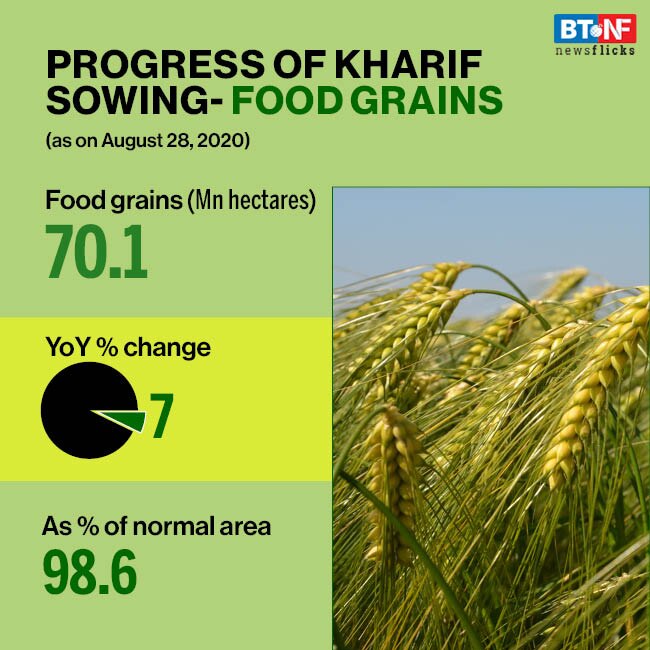
Area Sown Under Kharif Crops Increases To 108 Million Hectares Bt Newsflicks Businesstoday

If Wheat Is Sown In The Kharif Season What Would Happen Discuss Brainly In
How An Extended Lockdown Could Impact Sowing In The Coming Kharif Season Business Standard News

Difference Between Rabi And Kharif Crops Kharif Vs Rabi

Difference Between Rabi And Kharif Crops Plant Science Kharif Crop Plant Life

Rabi Kharif And Zaid Crops Explanation Examples And Differences
.png&description=If Wheat Is Sown In Kharif Season)
Posting Komentar untuk "If Wheat Is Sown In Kharif Season"