
Wheat Head Anatomy
The polypeptide exorphins responsible for these effects come and go dissipating over time Exorphins instruct you to eat more food increase calorie consumption. The spike also called the ear or head forms at the top of the plant.

Wheat Anatomy Anatomy Drawing Diagram
AestivumThe archaeological record suggests that wheat was first cultivated in the regions of the Fertile Crescent around 9600 BCE.

Wheat head anatomy. The head stem leaves and roots. The elongated distal internodes increase in length from the basal to the most distal the peduncle. The head stem leaves and roots.
Depending on the weather and the variety flowering usually occurs about 3-5 days after full head emergence Feekes 105 earlier under warmer conditions and delayed by up to 5 or more days after heading under cooler conditions. Several morphological characteristics of the wheat head are useful for variety identification. The awn anatomy of wheat and barley has been described in some studies GRUNDBACHER 1963.
Prop roots are larger than seminal roots have a sclerotic outer cortical zone and possess chloroplasts in thin-walled cortical parenchyma cells. The most obvious characteristic is the presence or absence of awns beard the long hair-like extension of the lemma glumes leading to three classes. The Kernel of Wheat.
Increasing blood sugar levels are associated with cognitive decline a long-term study has found wheat effects reach the brain in the form of opiate-like peptides. Most gluten-free grains are lower in total protein than barley or wheat with the exception of quinoa and this is the primary reason that head retention can be a problem for us. Wheat head resulting in prematurely ripened white heads that are visible after heading but before the crop dries down prior to harvest Figure 3.
The grain fruit of the Poaceae family is called caryopsis. The Feekes growth scale at stage 10 is divided as follows. The head contains kernels or the wheat seeds.
The Orange Wheat Blossom midge females lay their eggs on the wheat spikelet. The mature wheat seed is fused with its thin pericarp or fruit coat so seed and fruit form one unit the caryopsis or grain. Losses of up to 50 percent in winter wheat fields with uniform eyespot infection have been documented.
The caryopsis seed of certain plants contains enough percentage of oil to be a source of oil for humans ie corn oil. If the emergence of the females coincides with head emergence the risk is high. The females usually emerge from the soil and start laying their eggs as at near the end of head emergence GS 59.
The wheat is then stored in bins or elevators until the grain or wheat is needed for food processing. A spike usually has 35-50 grains or kernels. Sometimes called the wheat berry the kernel is the seed from which the wheat plant grows.
Wheat continues to go through the heading and flowering growth stages across central and northern Ohio. These wrap around the stem at the point where the leaf sheath meets the leaf blade. Stem Anatomy of wheat.
It provides fiber b vitamins and trace minerals. Awn anatomy of common wheat Triticum aestivum L and its relatives. Transverse section of a spikelet showing gradient from fertile basal florets to senescent floret primordia at the tip.
The C-banded karyotype of Triticum aestivum cv. In this study the transverse section of awns in common wheat varieties and. The head is fully developed and can be easily seen in the swollen section of the leaf sheath below the flag leaf.
The caryopsis is 70 carbohydrates starch and 9-14 protein and oil. They also provide nutrients for the yeast in the form of assimilable nitrogen and they affect both head retention and mouthfeel. The coleoptile is well developed in the embryo forming a thimble shaped structure covering the leaf primordia and the shoot meristem.
You can get around this by adding protein though not all protein is created equal. Simple alternate sessile the. Wheat is measured in bushels.
Botanically the wheat kernel is a type of fruit called a. Wheat plants grow to be about 2-4 feet tall. This distinction is so clear that it can be seen in a wheat crop when driving past provided it is sufficiently mature for the.
Each tiny seed contains three distinct parts that are separated during the milling process to produce flour. Feekes 101 awns visible heads emerging through slit of flag leaf sheath. The many species of wheat together make up the genus Triticum.
For those who arent familiar with the anatomy of an ear of wheat. Check out this cool picture. The portion of the shoot with elongated internodes is the elongated stem or culm.
Feekes 102 heading 14 complete. PONZI and PIZZOLONGO 2005 however no studies have focused on differ-ence and diversity of awns among wheat varieties and wheat relatives. Each bushel of wheat contains more than a million individual kernels of wheat.
The head contains kernels or the wheat seeds. Unawned half awned and fully awned. Wheat is harvested with a combine.
Flower Anatomy Anatomy of a wheat plant stem awn head leaves roots the wheat plant has four basic parts. Wheat leaves form at each node and include a leaf sheath that wraps around the stem and a leaf blade. All the cereal grains except buckwheat have caryopses.
It cuts separates and cleans the grain all at the same time. The ear consists of a number of individual spikelets flower headsset one above another along a length of stem known as the rhachis. Wheat structure the endosperm is the potential white flour within the centre of the wheat grain.
The awn is a slender bristle-like attachment of a wheat plant such as those found at the tips of the spikelets in many grasses. One-hundred and eighty landrace populations and six-hundred single-head plants selected from 60 promising populations were. Anatomy of a Wheat Plant stem awn head leaves roots The wheat plant has four basic parts.
Wheat plants grow to be about 2 4 feet tall. Yield loss Yield loss depends upon the degree and timing of the disease and the extent of lodging. Anatomy The outermost tissue layer the epidermis has longitudinal lines of stomata.
The most widely grown is common wheat T. The endosperm comprises about 83 percent of the kernel weight and is the source of white flour. It encloses a mechanically strong sclerenchymatous tissue in which beneath lines of stomata are bands of chlorophyll containing parenchyma similar to the leaf mesophyll.
Anatomy of a Wheat Plant stem awn head leaves roots The wheat plant has four basic parts. Wheat - structure and genetics. Feekes 100 boot stage.
Wheat has small auricles. A bushel of wheat is about 60 pounds and will yield about 42 pounds of white flour or 60 pounds of wheat flour. Wheat is a grass widely cultivated for its seed a cereal grain which is a worldwide staple food.
The development.

1 Anatomy Of A Wheat Plant Pdf Anatomy Of A Wheat Plant Awn Head The Wheat Plant Has Four Basic Parts The Head Stem Leaves And Roots Wheat Plants Grow Course Hero

Wheat Anatomy Anatomy Drawing Diagram
Wheat Anatomy Anatomy Drawing Diagram
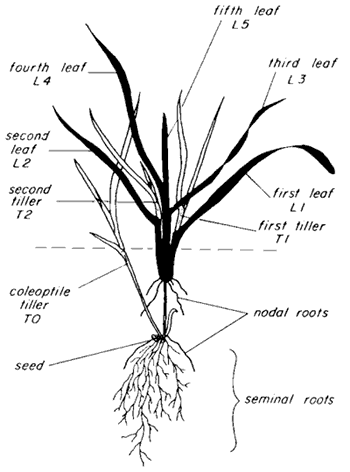

Triticum Aestivum Bread Wheat At Geochembio Taxonomy Brief Facts Developmental Stages Flower Anatomy

Wheat Anatomy Anatomy Drawing Diagram

Structure Of Wheat Seed Grain In Cross Infographics Layers Of Endosperm Bud Fetus Pedicel Hull Anatomical Poster Form Seed Illustration Illustration Wheat

Terminology Of Cereal Spikes And Spikelets A A Hulled Wheat Spike Download Scientific Diagram

Triticum Aestivum Bread Wheat At Geochembio Taxonomy Brief Facts Developmental Stages Flower Anatomy

Wheat Anatomy Anatomy Drawing Diagram
Plant Physiology Sixth Edition

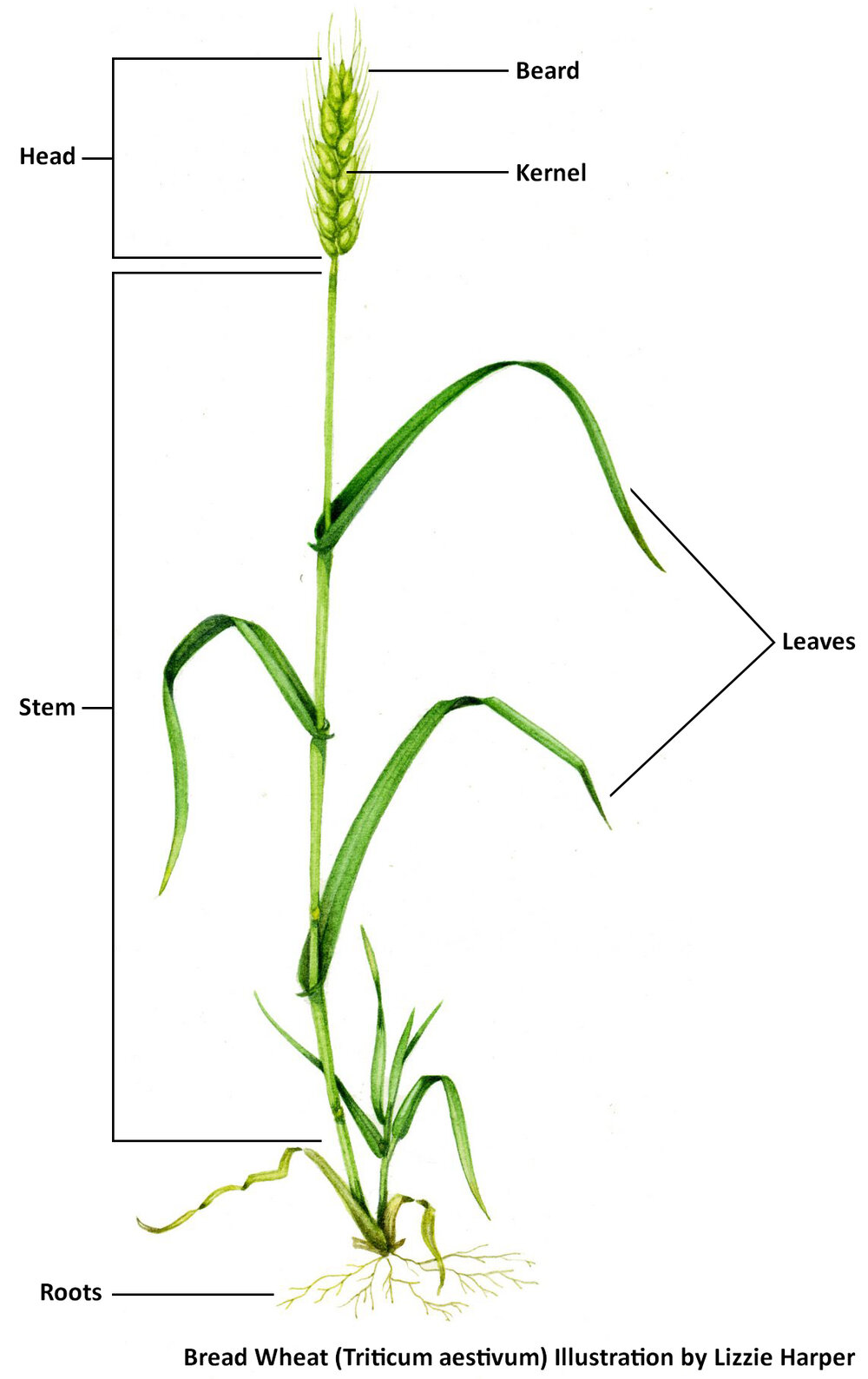
Wheat Louisiana Ag In The Classroom
Wheat Anatomy Anatomy Drawing Diagram
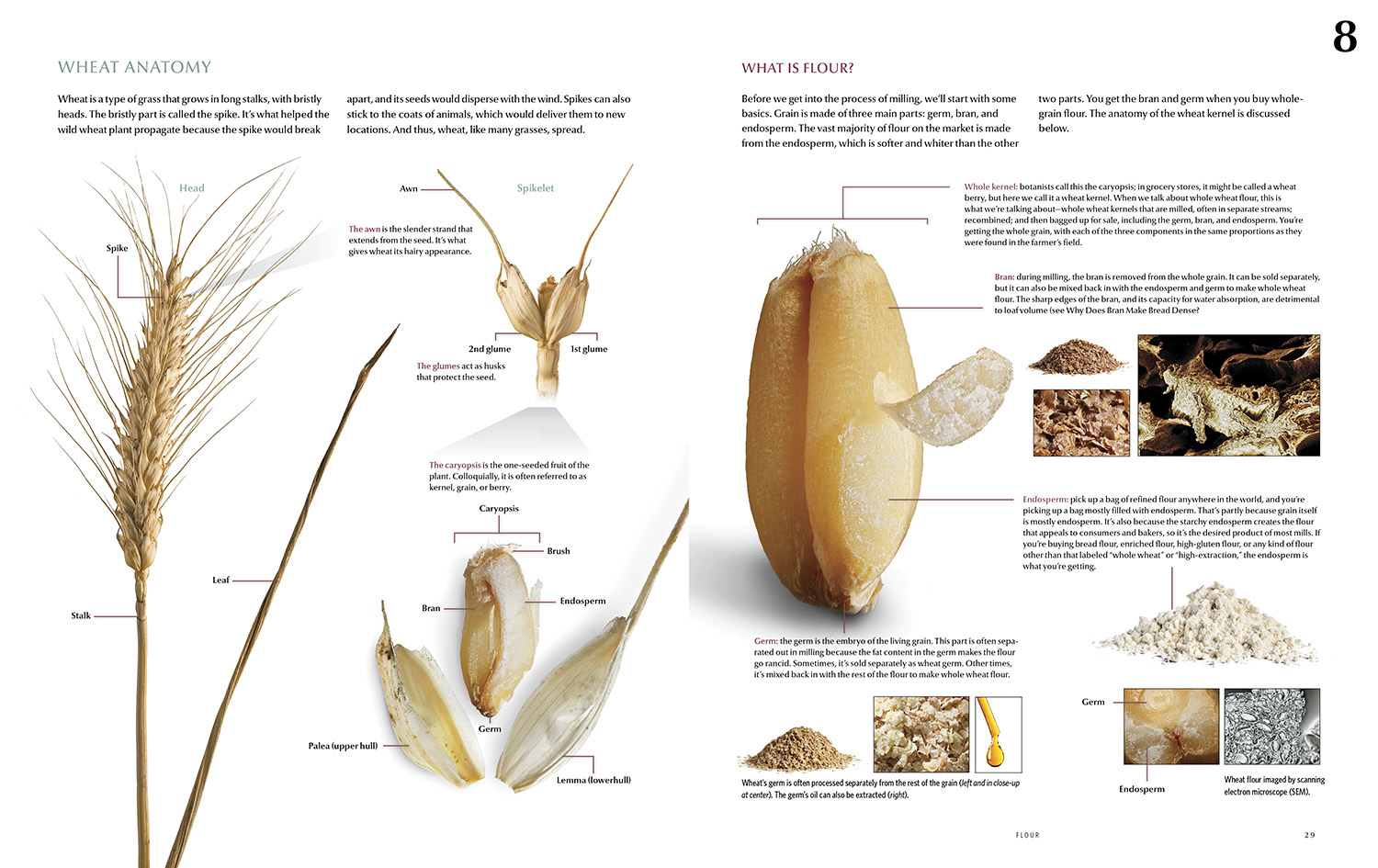
Bigskyfarmher Ever Wonder What S In A Head Of Wheat Or An Individual Kernel Facebook

Anatomy Of Wheat Anatomy Drawing Diagram

Posting Komentar untuk "Wheat Head Anatomy"